company - education - coffee
Showing posts with label cup of excellence. Show all posts

Saturday, November 18, 2006

Tea and coffee: Can I afford the great ones?


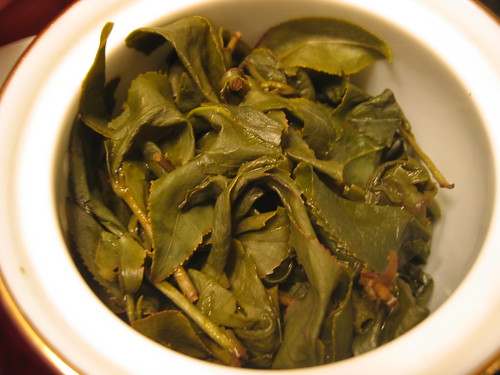
high grade oolong tea
Photo of very expensive tea by Ben Kaminsky


We typically don't drink good tea in North America. I know Americans don't drink very much good coffee either. The real question is do we have access to good examples of both?

If you want good coffee there are literally a handful of roasters in the US and then it becomes a roast preference to get those coffees roasted the way you like them. You will probably have to pay more for a freshly roasted coffee, spend more on the equipment to brew it, and put some energy into brewing it correctly, but you could find it and it would be affordable to most consumers. The most expensive coffees coming out of the Cup Of Excellence still break down to affordable per cup prices if you brew them at home. A pound of coffee produces a lot of cups making even a $20/lb bag steep but still affordable as a once in a while treat. Even as these microlots creep higher in price, we are still able to access them if we want to pay the price.
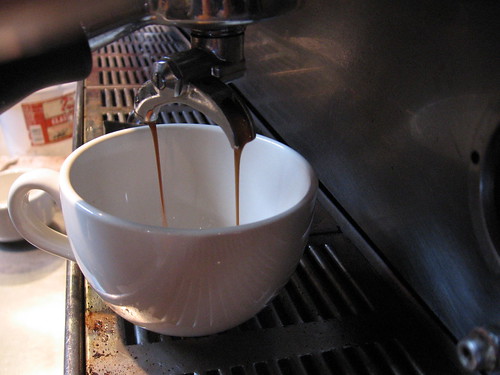


pulling an espresso
Pulling a double espresso for a milk drink(don't tell)


The problem with tea is it's a largely inaccessible market. Sure, we can all buy commodity grade tea bags or even pay a lot for a famous named tea, but those aren't the truly great ones. The great teas of Taiwan and mainland China don't make it to the American market. The price paid for them there is so high due to demand, we have little ability to buy them. What we do get is often stale or poorly processed remainders. Even if we had access, the top teas sell for such exorbitant prices, we would never even get a sniff! A competition grade tea in Taiwan of 300g recently sold for $15000. (yes, that's 15k) And to think we still complain about a $12/lb bag of decent coffee.


high grade oolong tea
Photo of Oolong Tea by Ben Kaminsky


Right now, we can afford the great coffees coming out. Of course, all of this has little to do with your free refill diner coffee or that phony Starbucks black apron offering, but that Brazil for $50 a pound doesn't sound as unreasonable now. The truth though, is that good teas are much rarer than we like to admit. You can get great herbal teas but you get largely poor grade broken leaf teas for everything else.

Unless you've got a connection in Taiwan or China, it's going to be hard to get that mind blowing Oolong or high grade tea. Want a good coffee, browse the CoE buyers. Until someone truly taps the foreign markets for fresh picked high grade whole leaf teas, a lot for us will have to be content with cupping these CoE coffees. It's rough being a mouthwatering cupper.

Thursday, November 16, 2006

Coffee: Strong and dark is better?

One of the most common complaints I hear is the Barista's lament 'The customer only wants a really large, dark, and bitter cup of coffee they can pour large amounts of cream n' sugar into. Why should I bother?'


The roots of our coffee heritage are strongly rooted in Starbucks and the dark roast mindset. Darker is better. It's more premium. If it's not dark, it's not specialty. Roast it so dark some of the beans explode, that way there's less to grind up! It's not about the coffee, it's about what's added to it that makes it special. That's the state of specialty coffee for most of North America and a lot of marketing money has been spent to make that case.

We've been suckered.


A Northern Italian style roast for espresso.


In Northern Italy (and the Scandanavian countries) they source better grade beans and roast much lighter than we generaly do. (There are a handful of exceptions tho) They historicaly have wealth in Northern Italy and therefore the customers can pay more for better quality. In the South, the roasts are darker because they were economicaly forced to use poorer quality beans and needed to roast over the defects. Hence the Northern Italian(very light) and South Italian(darker) roasts in espresso. The poorer areas roasted the coffee darker because they had to.

Espresso is a brewing method and not a roast or certain coffee.

Early American espresso seems to have adopted the South Italian style simply because of immigrants from Southern Italy and what appeared to be the complete lack of access to good coffees for espresso. Rumor is that certain countries bought all the good coffee while we were still serving cheap coffees with unlimited refills.

What about French roast you say, the French are wealthy and have a culinary focus...

French roast is a very dark roast for a simple reason. Historicaly, the French were colonialists. They only bought coffee from their own colonies, which was a problem because the coffee producing colonies were all low altitude areas that produced very poor grade coffees. They roasted dark and covered all the faults in the beans. All they had to do to compensate for the campfire roast flavor was add a lot of scalded milk and some sugar, and you have your Café au lait!

If you look at the China/Taiwan/Japan tea culture and how black tea came about, they don't drink these black teas. The tea they shipped over to Europe was roasty to preserve them for transport and sold to the Europeans who compensated and doused tea with cream and sugar. The Chinese and Taiwanese focused on holding the best teas for themselves and continue to do so. This is the reason many of us may never have a great green tea.


There are parallels in wine/grappa as well but it might be too much for one article.


It's easy to argue about, but the point is that a rare few of us have had high grade light roasts. Most of us have sampled the grassy under roasted poor grade coffees of companies like Dunkin or the overroasted coffees dressed in nicer bags and must begin to realize, the bean plays as much a part as the roast. Darker, yes, when you have a bad coffee or want a lot of milk and sugar. When it is exceptional coffee, you can and probably should go lighter. Let the coffee speak and enjoy it for what it is and where it came from. There are changes thanks to CoE but it's a long slow process.

Dark roasts have their place but they are about what the roaster has done and not about the unique flavors of a great coffees.


Anybody know what these are?

Aussie Double Roasts

The Mythical Third Crack